The Centers for Disease Control and Prevention (CDC) reports that chronic diseases such as heart disease, diabetes, and cancer account for most healthcare costs and deaths in the United States. Research also continues to show that emotional stress, anxiety, depression, and social isolation can influence how these conditions develop and progress. That growing body of evidence is reshaping how many healthcare providers approach patient care.
Medical systems that once focused mainly on physical symptoms are gradually expanding toward broader care models that consider emotional health, lifestyle habits, sleep, nutrition, and stress management. This shift is visible in practices like integrative medicine Greenwich CT, where personalized healthcare conversations are becoming the norm rather than the exception. Rather than treating emotional well-being as separate from physical health, these approaches view the two as closely connected.

Why Healthcare Is Moving Toward Whole-Person Models
Traditional medicine has historically centered on diagnosing and treating specific illnesses. That model remains essential for emergency medicine, surgery, infectious diseases, and countless other medical needs. However, healthcare professionals increasingly recognize that many long-term conditions are shaped by multiple overlapping factors.
The World Health Organization (WHO) describes health as a state of complete physical, mental, and social well-being rather than simply the absence of disease. While that definition has existed for decades, healthcare delivery systems are now beginning to reflect it more directly.
Data from Harvard Medical School suggests that chronic stress may contribute to inflammation, cardiovascular strain, digestive disorders, sleep disruption, and weakened immune response. Emotional stress can also affect health behaviors. Patients under prolonged stress may sleep poorly, skip medications, avoid exercise, or struggle with nutrition.
These patterns have encouraged healthcare providers to explore broader treatment conversations. Some physicians now routinely ask patients about work stress, emotional burnout, family responsibilities, and mental fatigue during appointments. Hospitals and clinics are also expanding collaborations between primary care providers, therapists, nutrition specialists, and wellness professionals.
The goal is not to replace conventional medicine. Instead, many providers are trying to improve outcomes by understanding the wider context surrounding a patient’s health.
Emotional Health and Chronic Illness Are Increasingly Linked
Research continues to reinforce the relationship between emotional well-being and physical illness. The American Psychological Association notes that stress can influence hormone levels, blood pressure, digestion, and immune function. Emotional strain may also increase the risk of unhealthy coping behaviors such as smoking, liquor misuse, overeating, or inactivity. Discussions around healthy lifestyle habits and emotional wellness have also become more common as healthcare providers examine how personal relationships, stress management, and overall life satisfaction may influence long-term health outcomes.
Patients with chronic conditions often experience emotional burdens that extend beyond their physical symptoms. Someone living with diabetes may feel overwhelmed by constant monitoring and lifestyle adjustments. Cancer patients frequently face anxiety related to treatment uncertainty. Individuals with chronic pain conditions can experience depression linked to reduced mobility and social isolation.
Studies published by The National Institutes of Health (NIH) indicate that depression and chronic illness frequently occur together. This overlap can complicate treatment plans because emotional distress may reduce motivation, lower treatment adherence, and affect overall recovery.
Healthcare providers are responding by integrating mental health screenings into routine care. Many clinics now include anxiety and depression questionnaires during primary care visits. Some healthcare systems also employ behavioral health specialists directly within medical offices to improve coordination between emotional and physical healthcare services.
Patients themselves are helping drive this shift. Surveys from The Commonwealth Fund suggest that many people want healthcare providers to spend more time discussing lifestyle concerns, stress levels, emotional fatigue, and long-term wellness goals rather than focusing only on immediate symptoms.
Longer Consultations and Patient-Centered Care
One of the most visible differences in patient-centered healthcare models is the structure of appointments. Traditional primary care visits are often short because physicians manage heavy patient loads and administrative demands. In many systems, appointments may last only 10 to 15 minutes.
Critics of this structure argue that rushed consultations can leave limited time for deeper conversations about stress, sleep, emotional strain, nutrition, or preventive habits. As a result, some healthcare providers are experimenting with longer appointments that allow for broader discussions.
The Mayo Clinic emphasizes that patient-centered care involves listening to patient concerns, understanding personal circumstances, and involving individuals in healthcare decisions. Longer consultations may create more opportunities for these conversations.
Patients increasingly expect collaborative communication instead of one-directional medical advice. Many now research conditions online before appointments and arrive with detailed questions about treatment options, lifestyle adjustments, and preventive strategies.
This evolution has contributed to the popularity of care models that combine traditional medical treatment with wellness-focused guidance. Some providers incorporate discussions around sleep hygiene, stress reduction techniques, exercise habits, nutrition planning, mindfulness practices, or social support systems.
Telehealth has also influenced patient expectations. Virtual appointments often allow patients to communicate more regularly with healthcare providers, which may strengthen ongoing conversations about emotional and behavioral health.
Skepticism Around Holistic Healthcare Terminology
Despite growing interest in whole-person healthcare, the language surrounding holistic or integrative medicine remains controversial in some medical circles.
Critics argue that certain wellness-related terminology lacks clear scientific definition. The term “holistic healthcare” can sometimes be associated with unsupported treatments, vague marketing claims, or alternative therapies that lack strong clinical evidence.
The U.S. Food and Drug Administration (FDA) and The National Center for Complementary and Integrative Health (NCCIH) have repeatedly warned consumers to evaluate health claims carefully, especially when products or therapies promise unrealistic outcomes.
Medical experts also stress the importance of evidence-based care. Treatments for cancer, heart disease, infections, and other serious conditions still rely heavily on scientifically validated medicine. Emotional support and lifestyle guidance may complement treatment plans, but they are generally not substitutes for standard medical care.
At the same time, healthcare professionals increasingly acknowledge that emotional well-being deserves more attention within conventional medicine. Some providers avoid broad wellness terminology altogether and instead focus on measurable factors such as stress management, behavioral medicine, preventive care, and patient engagement.
This distinction matters because many healthcare organizations are trying to balance patient demand for personalized care with the need for scientific accountability.
Changing Expectations Are Reshaping Modern Healthcare
Healthcare expectations are evolving alongside broader cultural conversations about burnout, mental health, work-life balance, and preventive wellness. Patients are increasingly interested in understanding how daily habits, emotional stress, relationships, and environmental factors affect long-term health.
McKinsey & Company reports that consumer interest in wellness and preventive health continues to grow globally, particularly among younger demographics seeking proactive approaches to healthcare.
This shift is influencing hospitals, private clinics, insurers, and public health systems. Some employers now offer mental health support programs alongside traditional healthcare benefits. Medical schools are also placing greater emphasis on communication skills, behavioral health, and patient-centered care practices.
Healthcare itself may continue moving toward more collaborative and multidisciplinary models. Physicians, therapists, nutrition professionals, physical therapists, and behavioral specialists increasingly work together in coordinated care environments designed to address multiple dimensions of patient health.
The broader conversation surrounding emotional well-being is unlikely to disappear from medicine. Research continues to highlight how emotional stress interacts with chronic disease, recovery, sleep quality, and long-term health outcomes.
Whole-person healthcare models still face ongoing debate about terminology, evidence standards, and implementation. Yet many healthcare providers and patients appear to agree on one point: emotional well-being is becoming harder to separate from conversations about physical health.
As healthcare systems evolve, the future of medicine may depend less on treating isolated symptoms and more on understanding the full context of how people live, cope, recover, and maintain long-term wellness.




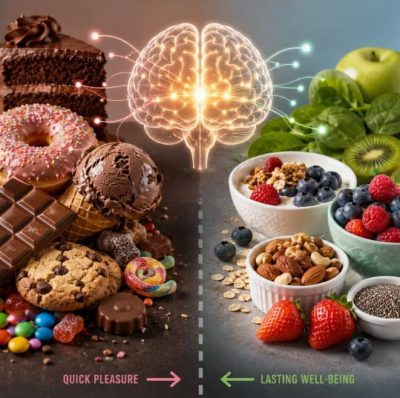 Sweet foods have a unique appeal beyond their taste. Whether it’s chocolate, cake, or ice cream, sugary treats can provide a quick sense of satisfaction by triggering the release of dopamine, a neurotransmitter involved in motivation, reward, learning, and pleasure. While enjoying sweet foods occasionally is part of
  The preparation of fruit-based desserts is a nice opportunity to spend quality time with your family members. Children can learn how important proper nutrition is, while they are assisting you in washing the fruits or creating the toppings for the desserts.
 Early skin care









 Having desserts in one’s life can still be healthy if done right and in moderation. The feeling that one should get rid of sweets altogether in order to be healthy is false, and just making some good choices can make a huge impact. The use of quality products and consideration of portion sizes allows people to treat themselves to desserts without overeating them. If you want to have a more balanced relationship with desserts, read how to do that.
 Too much sugar can do more than affect your waistline—it can slow down your skin’s healing process. When undergoing laser tattoo removal, the body relies on its natural repair systems to break down and flush away ink particles. High sugar consumption can trigger inflammation, delay collagen production, and make it harder for skin cells to regenerate efficiently. This can lead to longer recovery times and less-than-perfect results.

 Satisfaction, whether from enjoying a favorite dessert or indulging in self-care, plays an essential role in a balanced, health-conscious lifestyle. Just as the occasional sweet treat can bring joy without compromising long-term health, exploring personal pleasure can enhance well-being. Adding sex toys, like the best G-spot vibrator, into self-care routines offers a meaningful way to achieve a fulfilling and healthful life, fostering a sense of satisfaction similar to savoring sweets without overindulgence.
 We all know that too much sugar can lead to tooth decay and other dental problems. The good news is, you don’t have to give up sweets entirely to keep your teeth healthy. With a few simple steps, you can