
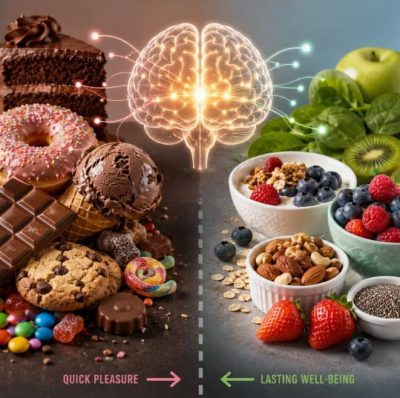
 Sweet foods have a unique appeal beyond their taste. Whether it’s chocolate, cake, or ice cream, sugary treats can provide a quick sense of satisfaction by triggering the release of dopamine, a neurotransmitter involved in motivation, reward, learning, and pleasure. While enjoying sweet foods occasionally is part of a balanced lifestyle for many people, regularly consuming large amounts of added sugar may affect both physical and mental health. Understanding how sugar interacts with dopamine can help you make informed choices without feeling the need to eliminate sweets entirely.
What Is Dopamine?
When you experience something enjoyable, such as accomplishing a goal, exercising, spending time with loved ones, or eating a favorite meal, dopamine activity increases. This encourages the brain to remember rewarding experiences and motivates you to repeat behaviors that support survival and well-being. Food naturally activates this reward system because eating is necessary for life. Sweet foods, however, can produce a particularly strong response.
Why Sweet Foods Feel So Rewarding
Humans are naturally drawn to sweet tastes. Historically, sweetness often indicated foods that were rich in energy and generally safe to eat. This preference helped our ancestors survive during times when food was less predictable. When you eat something sweet, taste receptors on the tongue send signals to the brain. This activates reward pathways that involve dopamine, creating feelings of pleasure and satisfaction. The brain then associates that food with a positive experience, increasing the likelihood of wanting it again.
Natural Sugars and Added Sugars
Not all sweet foods affect the body in the same way. Fruits, vegetables, and dairy products naturally contain sugars, but they also provide vitamins, minerals, fiber, protein, or other beneficial nutrients. They are commonly found in:
- Soft drinks
- Candy
- Cookies
- Cakes
- Sweetened cereals
- Ice cream
- Flavored coffee drinks
- Many packaged snacks
Foods high in added sugar often provide plenty of calories with relatively few nutrients, making it easier to consume excess energy without feeling satisfied for long.
Can Too Much Sugar Affect Dopamine?
Occasional treats are unlikely to have lasting effects on dopamine function for most healthy people. Repeated overstimulation of the brain’s reward system may reduce sensitivity over time. As a result, some people may find themselves craving larger portions or sweeter foods to achieve the same level of satisfaction.
This does not mean sugar is addictive in exactly the same way as drugs or alcohol. However, some researchers believe excessive sugar intake can encourage patterns of eating driven more by reward than by hunger, particularly when highly processed foods are readily available.
Blood Sugar Swings and Mood
Sugary foods are often digested quickly, especially when they contain little fiber or protein. These fluctuations may contribute to:
- Temporary fatigue
- Difficulty concentrating
- Irritability
- Increased hunger
- Cravings for more sugary foods
Although dopamine plays a role in food enjoyment, stable blood sugar also supports consistent energy and mental focus throughout the day.
Building Better Eating Habits
Moderation does not require avoiding desserts forever. Instead, it means creating eating habits that support both enjoyment and long-term health. Some practical strategies include:
- Pair sweet foods with protein or healthy fats to slow digestion.
- Choose fresh fruit when you want something naturally sweet.
- Read food labels to identify added sugars.
- Drink water instead of sugary beverages whenever possible.
- Save desserts for occasional enjoyment rather than as a daily habit.
- Eat balanced meals that include fiber, lean protein, and healthy fats.
These habits can help reduce large swings in blood sugar while making it easier to manage cravings.
Other Ways to Support Healthy Dopamine Levels
Food is only one factor that influences dopamine activity. Many healthy lifestyle habits naturally support the brain’s reward system without relying on excessive sugar. Regular physical activity increases dopamine signaling and also benefits cardiovascular health. Quality sleep allows the brain to regulate neurotransmitters effectively, while chronic sleep deprivation may increase cravings for high-sugar foods.
Stress management is equally important. During periods of prolonged stress, many people turn to comfort foods for temporary relief. Activities such as walking, meditation, hobbies, social interaction, and spending time outdoors can provide rewarding experiences that do not depend on sugary snacks. Eating nutrient-rich foods also supports dopamine production. Lean proteins provide the amino acid tyrosine, which the body uses to produce dopamine.
Finding Balance Without Guilt
Enjoying sweets should not automatically lead to guilt or anxiety. Healthy eating is based on overall dietary patterns rather than individual foods. Completely restricting favorite treats may make them seem even more desirable, increasing the likelihood of overeating later. Instead, many nutrition experts recommend allowing room for occasional desserts while keeping most meals focused on whole, nutrient-dense foods.
Conclusion
Sweet foods naturally activate the brain’s dopamine reward system, making them enjoyable and satisfying. While this response is a normal part of human biology, regularly consuming large amounts of added sugar may encourage cravings, contribute to blood sugar fluctuations, and affect long-term eating habits. By combining mindful eating with nutritious foods, regular exercise, adequate sleep, and healthy stress management, you can support both healthy dopamine function and overall well-being while still making room for life’s occasional treats.